


What Nobody Tells You About Selling the Home You Raised Your Kids In
I lightly rubbed my fingertips from the tail towards the head of the shark facing towards me. It was a childhood ritual I had before turning on the light. My dad had shellacked a piece of driftwood, ran wiring through it, added a light fixture, and mounted two baby sand sharks which he caught down the shore. Since the age of five, this lamp sat on my nightstand. Even without the lampshade, it wasn’t bright enough, so I pulled back the racing car curtains allowing the golden rays to bombard the room. One window highlighted a perfect panorama of the Manhattan skyline. Outside of the other, a giant oak tree’s branches hosted hours of entertainment as squirrels played and gathered acorns while various birds moved about it all day long. Somehow, it took the place of the television I was never allowed to have in my room. My Appolonia and Heather Locklear posters were still intact, undisturbed by my mother who I was sure would have destroyed and tossed them by now. Old karate belts and muddy baseball cleats littered my closet floor along with various boxes filled with electric race cars, comic books, trading cards, Mad magazines, and National Geographic. That room was loaded with memories, but my most treasured magical moments were down in the cellar where my grandmother lived.
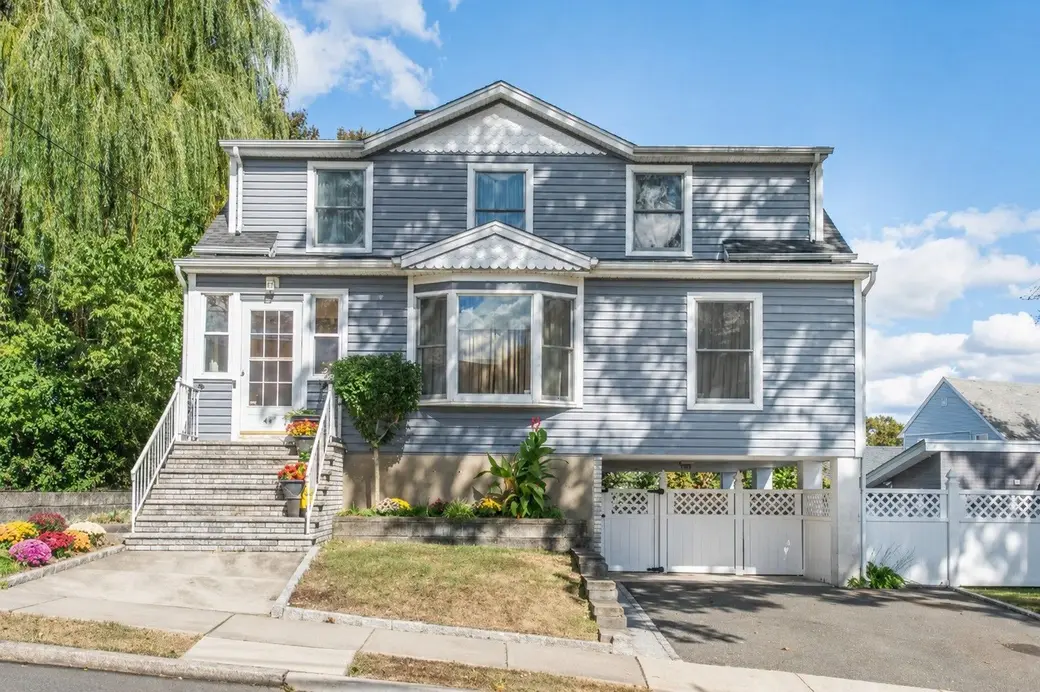
Grandfather and his brothers had built that house. He laid the foundation, raised the walls, and put the roof over the family he was determined to give a good life. My father and his siblings grew up in it. I grew up in it. It was the kind of house that held people the way only a built-with-love house can, not just storing them, but keeping them. Yet, the time arrived and it had to go.
After flying across the country to New Jersey and sorting through decades of life, I packed up everything that would fit into the largest moving truck I could legally drive. My dad called the realtor to let him know it was empty. We drove 2400 miles back to my house with the whole country rolling past the windows, only am radio playing while neither of us said very much at all. The house sold and something in me, something I didn’t even know I was carrying, quietly set itself down.
Here is what nobody tells you: grief doesn't need a death to arrive. It shows up just as reliably at a closing table. It rides in the back of a moving truck. It stands in the doorway of an empty room and asks you, without words, “Who are you if not the person who lived here?” We attach ourselves to houses in ways that go far deeper than stem walls and square footage. Our stories are attached to them: the pencil marks on doorframe, the corner of the yard where the dog is buried, the creaking steps in the middle of the stairwell which I tried to sneak over at 4 and 5 a.m. so I wouldn’t wake my parents up (knowing I should’ve been home hours ago) only to get outed by my dog who was posted at the top landing. These aren’t just trivial details. They are the physical evidence that your life happened and the years were real, that the people were real, that you were loved and loved back.
So, when the sign goes in the yard, it doesn't just feel like a transaction. It feels like a question you're not sure you're ready to answer. That feeling is not weakness. It is not sentimentality. It is the completely appropriate response to something that actually matters. Somewhere over the years between that long silent ride west and my father’s passing I came to understand that the house was never the keeper of the story, we are. My father brought that house with him; not the physical dwelling or my preserved museum-like childhood room. He brought the non-private conversations of the phone that hung on the kitchen wall, the stoop outside the front door where friends and family gathered, the smell of all those homemade dishes from scratch, my grandmother’s voice, the joy of every Christmas morning, and the toil of my grandfather’s work that had accumulated into a life. All of it came with us. None of it stayed behind.
The home you raised your kids in is not bound in the structure. It is within you, in the stories you tell, the recipes you kept, the photographs you chose to pack first, all the things your children will someday tell their children about where they came from and their upbringing. Real estate transfers. Memory doesn’t. Selling the house is not erasing the chapter. It is simply turning the page. Now, someone else is creating their story in my childhood home, and I am glad for them. I already carry everything that matters from there…
When you’re ready, and only you get to decide when ready is, here’s the Brazier Group’s guide to moving through this process with both your heart and feet on the ground.
Give yourself the grief before the logistics. Before you talk to an agent, before you think about the list price, and before you discuss staging — give yourself a moment to just be in the house. Walk through it. Let it all land. The practical work seems to go better when you are not trying to outrun the feeling.
Sort with intention, not just urgency. There will be pressure to move quickly. Resist it where you can. The items that hold the most meaning deserve more than a hasty decision. Keep what carries the story forward. Pass on or donate what someone else will love. Release what is simply weight.
Prepare the home without erasing the family. Staging asks you to depersonalize, so take down the photos, clear the shelves of knick-knacks, and make the space feel like it belongs to no one so that buyers can imagine it belonging to them. This is practical, and it works. Remember, it doesn't mean your family was never there. It means you're making room for the next family's story to begin.
Find an agent who understands this isn't only a transaction. The right agent won't rush your grief or minimize what the emotional cost is to you. They will hold both things at once, the business of selling and the humanity of what you're selling. You deserve someone who knows the difference.
On closing day, be gentle with yourself. There may be tears. There may be a strange numbness, or unexpected relief, or both at the same time. All of it is allowed. You did something hard. You honored the past and chose the future. That is not a small thing.
Categories
- All Blogs (13)
- ac unit (1)
- acres (1)
- arizona housing (2)
- arizona real estate (1)
- arizona water & growth policy (1)
- best investment (1)
- buyer education (3)
- Buyer Psychology (1)
- buying a fixer upper (1)
- closing day feelings (1)
- clutter (1)
- communication (3)
- concessions (2)
- creating space (1)
- downsizing (2)
- downsizing and moving (1)
- emotional wellness (1)
- family & home (1)
- first time home buyers (3)
- grief and retirement (1)
- grief of selling a house (1)
- groundwater & assured water supply (1)
- hidden potential (1)
- home buying process (2)
- home inspection (3)
- home renovation (1)
- home sellers (3)
- home selling tips (2)
- Home Staging (1)
- how to see potential (1)
- hvac (1)
- identity loss (2)
- interest rates (1)
- investment mindset (1)
- is it worth buying a house that needs renovation (2)
- land and ranch (2)
- land for sale (2)
- land specialist (1)
- letting go (2)
- life transitions (1)
- Listing Prep (1)
- location vs finishes (1)
- metro phoenix (2)
- new construction (1)
- now or later (2)
- odors (1)
- organizing (1)
- outdoor lifestyle (1)
- real estate (7)
- real estate advice (4)
- real estate tips (2)
- repurposing items (1)
- retirement (1)
- retirement purpose (1)
- retirement transition (1)
- retiring in Metro Phoenix (1)
- rightsizing (2)
- safety (1)
- security (1)
- Seller Resources (1)
- selling childhood home (1)
- selling family home (1)
- selling parents house after death (1)
- sentimental home sale (1)
- structural integrity vs cosmetic updates (1)
- transitioning (1)
- understanding (4)
- vacant homes (1)
- vacant land (1)
- what nobody says (1)
- what to expect emotionally when selling a home (1)
- when to replace AC (1)
Recent Posts










Grace & Keith Brazier
Trusted Guides for Life's Biggest Moves License ID: 651520000